Photo Essentials: Luminis Media real estate photos Houston Checklist
Real estate isn’t forgiving to guesswork. Timelines are tight, buyers scroll fast, and first impressions carry the whole weight of a showing. In Houston, the margin between good and great photos often comes down to tight coordination, respect for the property, and an efficient, field-tested process. That is what a checklist protects: consistent quality when conditions change, and confidence for agents who depend on visuals to launch a listing without friction.
This guide pulls from years behind the lens in the Greater Houston market, from bungalows in the Heights to new builds in Bridgeland, high rises in Midtown, and acreage tracts past the Grand Parkway. Whether you call us for Luminis Media real estate photography or you manage your own shoots, you will find a clear structure for decision-making, not just a bag of tips. The goal is simple, take photos that sell, with zero surprises.
Why a Houston-specific checklist matters
Houston brings its own set of realities. The light is harsher than many first-time transplants expect, the humidity coats everything, and sudden weather shifts can derail a plan if you do not have a backup. Trees can be tall and dense, power lines are common, and new construction shows up on streets that do not yet exist on every map. Add to that a mixed architectural inventory and frequent open-concept interiors with floor-to-ceiling windows that challenge exposure. A photographer who works here learns to plan around sun paths, storm cells, and utility crews that appear exactly when you need a clean frontage.
This is also a market where listing photos need to meet MLS guidelines that forbid branding inside images and often compress files, which affects color and contrast if you are not careful with export settings. When we deliver Luminis Media real estate photos, we design files that hold detail after compression and keep verticals straight so rooms look natural on mobile screens. The difference shows up in click-through rates, in how long buyers browse each gallery, and in how many save the property to revisit later.
Pre-shoot coordination with the agent and seller
The best photos start before the gear leaves the studio. We begin with one short call, covering three topics. Access and timing, so everyone knows how keys, alarm codes, and parking will work. Prep expectations, so the seller understands what stays out, what comes off the counters, and what actually helps the camera read the space. Contingencies, so no one is surprised by plan B if a storm rolls in or if contractors are finishing punch list items when we arrive.
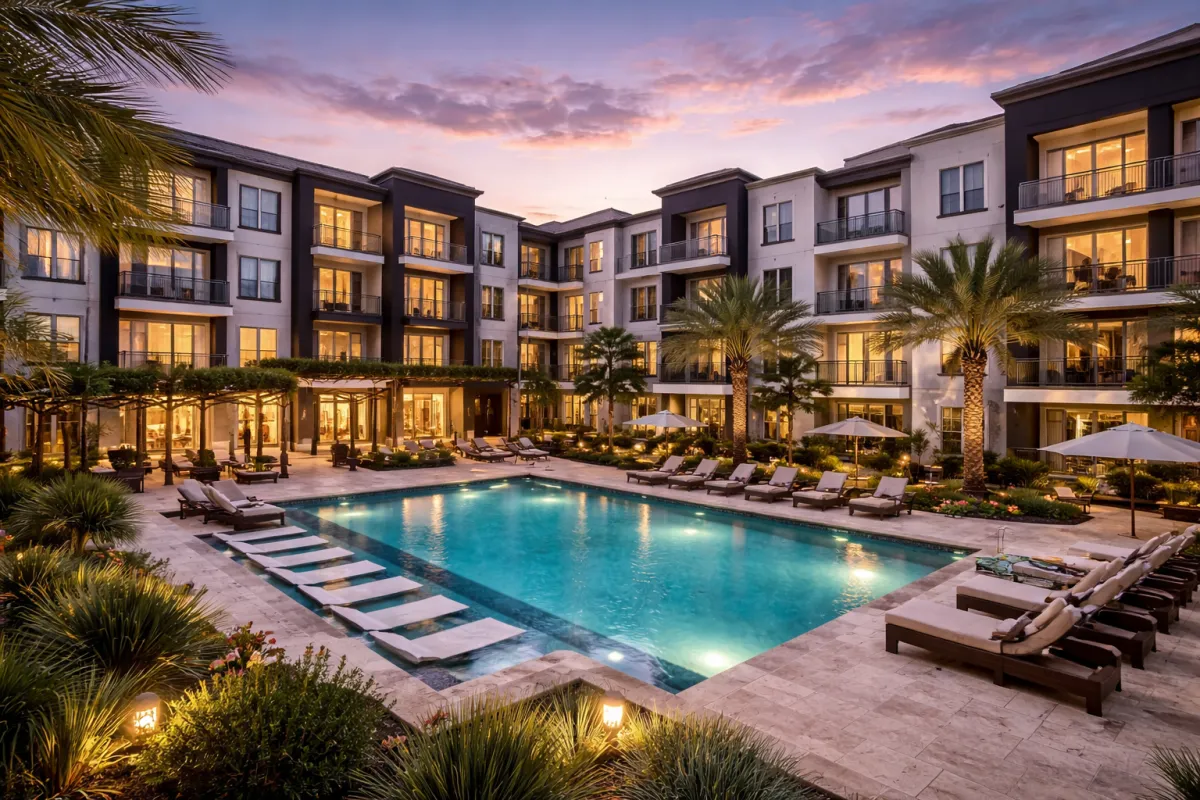
Houston’s heat is another planning detail. Exterior work goes first whenever possible, usually early morning or near twilight to avoid deep shadows and blown highlights. If the home has a pool or outdoor lighting, we build in a blue-hour return because those frames often anchor the gallery and inspire showings. For larger listings, especially where we pair stills with luminis.media real estate videography, we split the work across a morning and an evening window to capture exteriors at their best.
Pets and people matter more than most checklists acknowledge. Barking in the yard means the front elevation shot will take longer than it should. Children napping or remote work on video calls reduces our freedom to stage and to shoot certain rooms. This is never a problem if we talk it through the day before.
The seller-ready prep list that keeps a shoot on track
Before we confirm the calendar, we send a compact checklist to the agent and seller. It prevents 80 percent of on-site delays and keeps the style consistent from room to room.
- Counters cleared, personal items stored, and trash bins hidden on both interiors and exteriors
- Lights working in all fixtures, bulbs matching color temperature, and blinds set to a consistent height
- Lawns mowed, hedges trimmed, hoses and tools put away, and driveway free of cars
- Pool clean with equipment hidden if feasible, water features on, and outdoor cushions staged
- Access confirmed with alarm instructions, pets secured, and all interior doors unlocked
A note on light bulbs, one mixed cool and warm bulb in the same chandelier will wreck a white ceiling. If you swap bulbs so they match, it reduces color correction time and produces cleaner skin tones in video walk-throughs.
Field kit and settings that earn their keep
Gear choice should be boring and reliable. For Luminis Media property photography we keep two camera bodies with full-frame sensors ready, so any failure is just a minute-long swap. A rectilinear wide lens in the 16 to 20 mm range holds straight lines at the edges, while a 24 to 70 mm covers details and exteriors where compression flatters the facade. A sturdy tripod with a quick level means we keep verticals true, and a remote release cuts micro-shake during bracketed exposures.
Settings flow from the room, not stubborn rules. Aperture lives between f/7.1 and f/9 for most interiors to hold edge-to-edge sharpness without pushing ISO too high. Shutter speed is whatever it needs to be on the tripod. ISO lives low unless we are handheld for lifestyle details. Bracketing is standard for windows and glossy surfaces. For high contrast rooms, we may combine ambient and one or two controlled flashes, a flambient approach that balances natural light with a clean base. No single method fits every house, and insisting on one will cost you time or realism.
White balance is not set to Auto without supervision. Mixed lighting in Houston kitchens, with warm pendants and cool LED cans, creates green or magenta casts on quartz and stainless steel. We set a custom Kelvin value on location, then fine-tune relative to a gray reference in post. This prevents a drift from room to room that cheapens the gallery.
Exterior strategy: reading sun, lines, and sky
The front elevation earns more views than any other image. We walk the street line to find a perspective that avoids warping verticals and keeps power lines from intersecting the roofline wherever possible. Sometimes a slight crop or a step forward gives the roofline clear air and lets the sky do the heavy lifting. If a neighbor’s car sneaks into the frame, we adjust angles rather than promise miracles in retouching that could distort the property.
Houston’s sun is brutal at midday. Morning shoots often protect textures in stone and brick, and late afternoon can glow on stucco without bleaching. When the sky is flat, we lean on composition and clean foregrounds, not fake skies that look cartoonish when they reflect in windows inconsistently. If conditions really are poor for exteriors, we capture interiors first and return near sunset for the hero shot. Agents appreciate the extra trip because that one image boosts click-throughs more than a dozen average frames.
Aerials and community amenities matter for master-planned neighborhoods. If you ask for luminis.media property photography with drone work, we plan around wind and Part 107 restrictions, especially near airports and helipads. We avoid recreational areas with people present for privacy reasons and wait for opportunities when pools and parks are empty. A slow, rising angle can reveal lot lines naturally when fence lines or neighboring roofs guide the eye.
Interior flow that respects how buyers browse
A buyer skims the first five to seven photos before committing to the rest. We open with the front elevation, then a wide of the main living Luminis Media real estate photography area, a strong kitchen frame, a view from the kitchen to living, and a primary suite image that confirms scale. After that, the gallery can slow down and build a story.
Living areas need breathing room. We back up enough to show layout but avoid absurdly wide perspectives that stretch sofas into surfboards. If beams, fireplaces, or built-ins are selling points, we isolate one or two frames that linger on those elements. No one needs six near-duplicates of the same angle.
Kitchens deserve extra attention. Appliances reflect everything, so we watch for our reflection and color casts. If the backsplash is glossy, bracket exposures or add a gentle fill to avoid hot spots. Stools, if present, align in a single rhythm. Faucets are straight. Coffee makers, magnets, and dish soap bottles are tucked out of sight. A small vase or bowl is fine as an accent, but not across every counter because it reads staged instead of lived-in.
Bedrooms rely on proportion. We do not push the lens so wide that a queen looks like a twin. Instead, we angle from a doorway or corner where two walls and the ceiling line remain square. Window treatments are consistent and beds are ironed in the frame, literally if the seller has a handheld steamer on standby.
Bathrooms are honest. Mirrors show the room, not the photographer. Towels match in tone. Toilet lids are down. If a shower features tilework, we level the camera to keep grout lines parallel and light it so texture shows without harsh glare. One or two frames per secondary bath is usually enough. The primary bath might merit more if it includes a freestanding tub, a large walk-in shower, or custom cabinetry.
Utility and secondary spaces matter when they sell a lifestyle. Mudrooms in family-friendly builds, flex rooms that stage convincingly as offices, and well-appointed laundry rooms deserve a clear, wide angle and one detail. Garages matter if they have epoxy floors or storage systems, otherwise one clean documentation shot is sufficient.
Consistency, color, and the quiet work buyers feel more than see
A strong gallery feels calm. That calm comes from straight verticals, coherent color, and exposure that neither blinds nor glooms. We align every frame with a bubble level and correct minor lean in post so door frames do not look like they are sliding apart. If a home has warm wood floors, we keep whites truly white so the floor’s warmth is a feature, not a color cast across every surface.
Color temperature should not yo-yo by room. If a main area reads at 3800 K, nearby rooms should land close unless the daylight ratio changes. It helps to turn off small lamps that spike orange and use the ceiling fixtures and windows as the base. When we deliver real estate photos luminis.media clients expect, they can drop the entire set into an MLS entry and it will look cohesive on both desktop and mobile.
Window views, reflections, and the flambient judgment call
Houston homes often feature generous windows with backyard views, pools, or tree canopies. We choose one of three methods depending on the scene. If the contrast is manageable, we bracket and blend to keep the view and the interior readable. If the view is key but the interior is dark, we mix ambient with a small, bounced flash to lift the shadows without announcing the light source. If the reflection pollution is severe on glossy floors or cabinets, we reduce flash entirely and accept a slightly moodier interior to avoid glare. The right choice is the one that looks natural, not the one that shows off a technique.
Mirrors and stainless steel want to show you. We plan our angles to keep ourselves out of frame, use flags if needed, and take an extra second to check for unexpected reflections of open doors or bright windows. One pass now saves you cloning in post that can leave artifacts.
Working properties at different price points
Starter homes reward speed and clean storytelling. Over-shooting does not help, especially in compact spaces where every extra frame feels repetitive. We focus on clarity and trust that buyers want to confirm layout, light, and condition.
Luxury properties deserve patience and layered coverage. If we handle real estate photography Luminis Media style for a higher-end listing, we scale the team, bring additional lighting, and add twilight coverage of exteriors, wine rooms, and spa-like baths. We might also recommend luminis.media real estate videography for features that static images cannot express well, like an automated glass wall opening to a loggia, or a lighting system that shifts the mood across a great room.
Acreage introduces access issues and dust. We plan parking carefully, protect floors with shoe covers, and use longer lenses for exteriors to compress distance and convey land without misrepresenting scale.
Videography that complements the stills
Not every listing needs video. When it does, the best pieces are architectural, not cinematic for its own sake. The camera should float at eye level, glide through doorways slowly, and pause briefly on transitions so a viewer can map the space. Music supports but does not distract. If we are executing Luminis Media real estate videography and stills together, we choreograph the day so we do not fight each other for rooms, and we protect the audio environment if the agent plans an on-camera intro.
For exteriors, wind noise ruins good footage. We mic accordingly or keep the track clean and add licensed music later. Drone clips should last just long enough to set context: street approach, roofline, backyard, and nearby amenities when useful. Ten seconds that tells the story beats a minute that repeats itself.
Deliverables that respect MLS compression and agent workflow
Agents need two things quickly, a web set optimized for the MLS and property sites, and a print-capable set for brochures or postcards. For Luminis Media listing photography we deliver separate folders labeled clearly. The web set uses a moderate long edge and a balanced export sharpening so details hold when the MLS compresses. The print set retains higher resolution with color profiles that play well with most printers. File names are organized in viewing order so agents can upload without dragging thumbnails around.
We do not add watermarks or branding inside images because MLS rules reject them and buyers dislike the distraction. We include a portrait orientation or two only when it serves a purpose, for example an entry with a two-story chandelier or a staircase that tells the story of the home’s architecture. For social media, vertical crops or short reels can follow a simplified narrative that reuses the same core frames.
Safety, respect, and the quiet rules that build trust
Everything we touch, we reset. Chairs go back, pillows return to their original position, and doors are left as we found them unless the agent requests otherwise. We move slowly on hardwood local real estate photographer Luminis Media with sliders and felt pads. If something breaks, we report it immediately. If we spot a safety issue, like a loose railing, we notify the agent before we leave.
We do not photograph valuables, safes, medications, or family photos that reveal sensitive information. If an item cannot be moved, we frame around it or blur it if the MLS and the client approve. Respect for privacy keeps everyone comfortable and avoids calls after the gallery goes live.
A sample on-site workflow that keeps momentum
We arrive ten minutes early to walk the exterior and set the plan. If the light is right, we start with the front elevation and front yard details, then side and back yard, then pool or outdoor kitchen. If the sun is high and harsh, we swiftly document exteriors for reference and promise a twilight return.
Inside, we stage lightly as we go, tucking cords and minimizing countertop clutter. We shoot the main living zone and kitchen first, then the primary suite, then secondary bedrooms and baths, then utility spaces. If there is a media room, gym, or office, we time them around anyone working in the home. Staircases and hallways are not afterthoughts. One clean, level frame for each helps buyers map the flow.
Walk-throughs with the agent at the end allow quick additions. If we missed a detail the seller loves, like a custom pantry or a pet nook, we capture it while the gear is up. We keep the set flexible for luminis.media listing photography when the agent needs a last-minute hero angle for a postcard or feature sheet.
Post-processing that respects the property
Editing should feel invisible. We correct verticals, balance exposure, and unify color. We remove small distractions like a lawn sign or a hose that slipped into frame, but we do not erase power lines or change the sky beyond mild normalization unless requested and allowed. If a patch of dead grass dominates the front yard, we reduce the distraction without inventing a new lawn.
Window blends are subtle. Greens outside should not glow neon. If the room reads cool because heavy clouds rolled in mid-shoot, we warm it to neutral but avoid pushing so far that floors and cabinets shift hue. Consistency across the gallery is non-negotiable.
Five editing quality control checks before delivery
- Verify verticals on all interiors, especially kitchens and baths with strong geometry
- Scan edges of frames for tripod shadows, reflections, or gear left in mirrors
- Compare white balance across consecutive rooms to avoid color drift
- Confirm MLS-safe framing, no logos, signage, or personal details visible
- Export web and print sets, then spot-check on both a phone and a calibrated monitor
A last pass on a mobile device reveals issues you might miss on a large screen. Most buyers meet the listing for the first time on a phone.
When to add services that move the needle
Not every home benefits equally from the same add-ons. Twilight exteriors work wonders on homes with layered landscaping, warm exterior lighting, and pools. They are less critical on small cottages with limited outdoor features unless the front elevation otherwise feels flat in daylight. Drone images are strong for acreage, water-adjacent properties, and homes near parks or trails. Floor plans help buyers read the layout and increase time on page, which correlates with more showings.
If you are weighing options, reach out and ask for a short consult. A Luminis Media real estate photographer will ask about the lot, the street, and the strongest features, then propose a set that makes sense for the budget and timeline. We do this every day, and saying no to an unnecessary add-on builds trust faster than over-selling.
Common pitfalls and how we avoid them
Shooting interiors with mixed bulbs and daylight without a plan leads to color chaos. We replace or switch off problem bulbs. Photographing the exterior at noon because it was convenient results in baked highlights and dark shadows. We schedule smart or return at a better hour. Overusing the widest lens makes rooms feel distorted and undermines credibility. We use the wider ranges judiciously and lean on slightly longer focal lengths for details and exteriors.
Another trap, too many near-duplicate frames. Agents end up spending time picking between ten versions of the same kitchen corner. For real estate photos Luminis Media keeps each angle intentional, enough to tell the story, not so many that the gallery bloats.
How Luminis Media fits into your listing strategy
If you have worked with us before, you know we keep the process clean. Booking is straightforward, prep guidance is clear, and delivery is fast. For real estate photography luminis.media offers tiered packages sized for condos, single-family homes, and estates, with simple add-ons for drone, floor plans, and video. Our editors understand Houston light and MLS compression. More importantly, we know that agents win listings by promising reliable marketing, then keeping that promise. We exist to support that.
For recurring clients and brokerages, we align image styles across multiple agents so your brand reads consistently. If you need branding content separate from MLS assets, for example behind-the-scenes reels or agent-hosted property tours, we schedule it alongside the primary shoot without stepping on the MLS rules about logos inside property photos. That way, your marketing stack is complete from the outset.
The quiet result of a good checklist
Great real estate photography looks effortless, but it is the result of preparation, experience, and a system that protects the work when things get messy. A checklist does not replace taste, it frees it. It lets a Luminis Media real estate photographer walk into a property, assess the light, and make good choices quickly. It helps the agent coordinate with the seller and avoid last-minute scrambles. And it gives buyers galleries that feel trustworthy, the kind that make them want to book a showing.
If you are ready to streamline your next listing, ask about luminis.media real estate photography and videography options for your neighborhood and property type. We will help you match the plan to the home, the market, and the schedule. Then we will show up prepared, and deliver exactly what you need.